Sculpting Human Evolution by Elisabeth Daynès
-
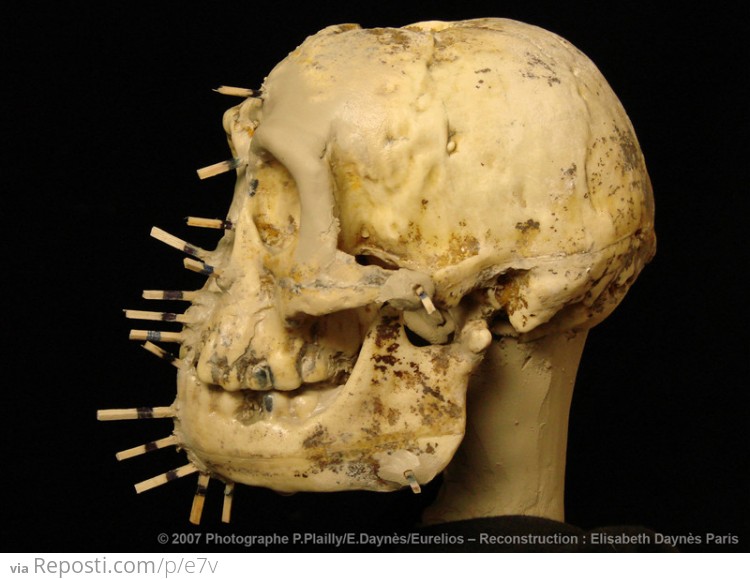
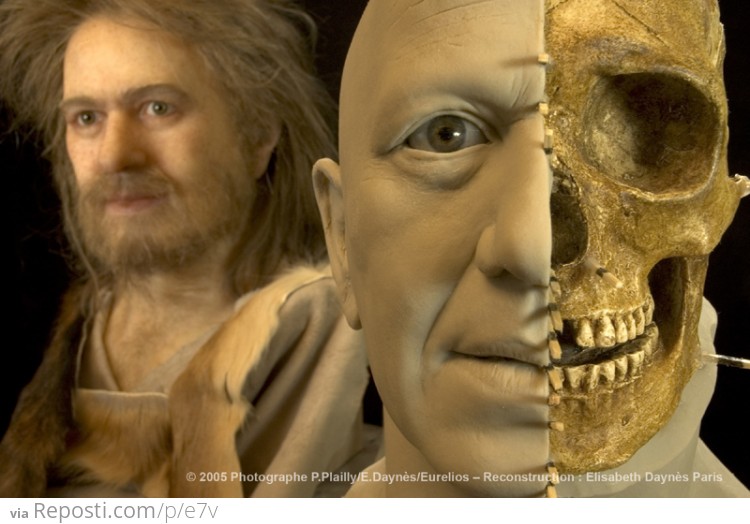
Markers are placed at specific locations on the cast of the skull to indicate estimated tissue depths.
Markers are placed at specific locations on the cast of the skull to indicate estimated tissue depths.These are then used to build up the muscles and other tissues of the face.
-
-
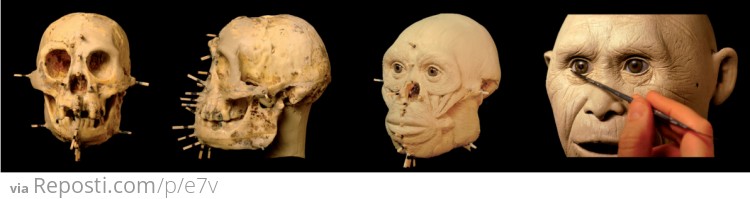
Homo erectus sculpture in progress
Daynès' reconstruction of the Sangiran 17 Homo erectus skull at an earlier stage of the artistic process.
-
-
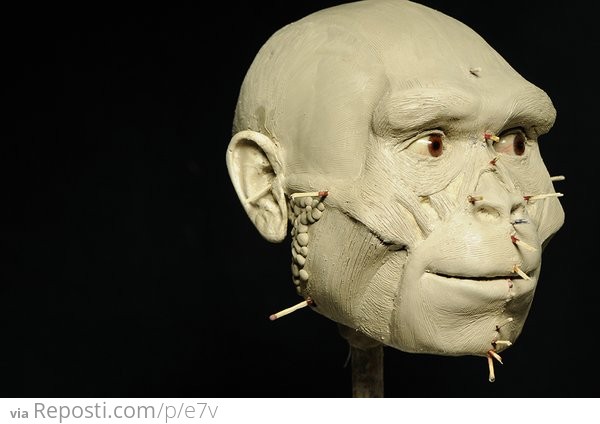
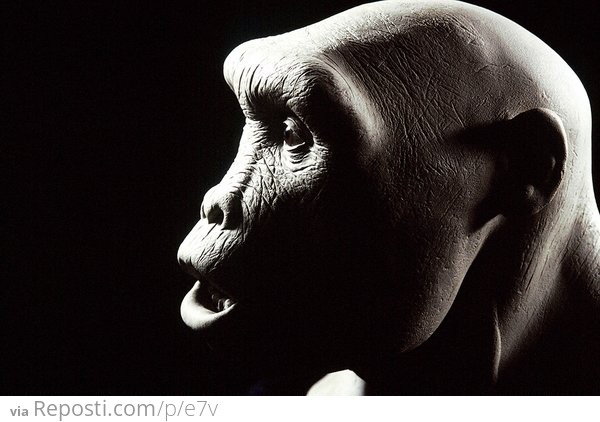
Sahelanthropus tchadensis
The clay model of Daynès' reconstruction of "Toumai", a Sahelanthropus tchadensis skull found in Chad in 2005. One of the earliest known human ancestors, "Toumai" lived 6 to 7 million years ago.
-
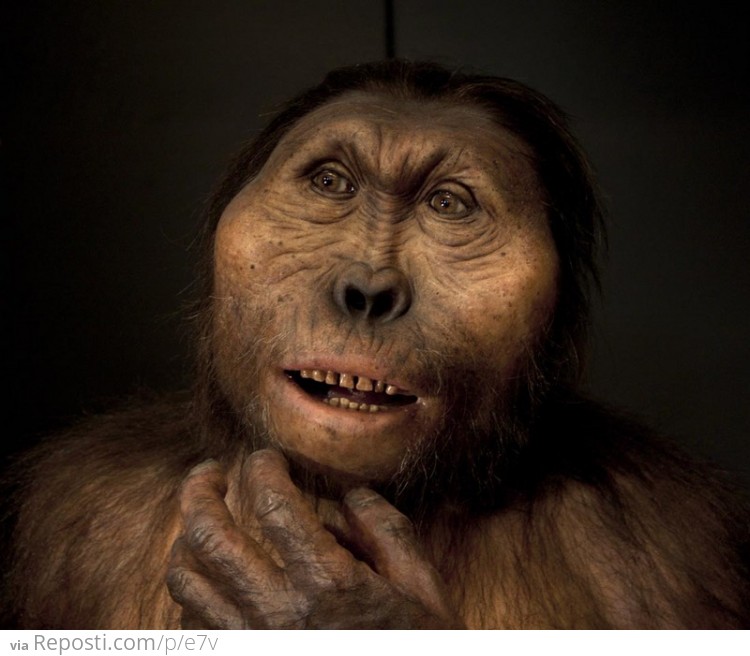
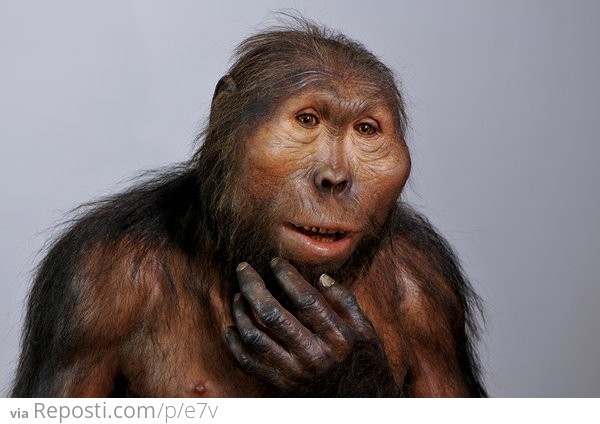
Paranthropus boisei
-
A reconstruction of a Paranthropus boisei made directly on the cast of a 2.5 million-year-old skull, discovered in 1959 at Olduvai Gorge in Tanzania
-
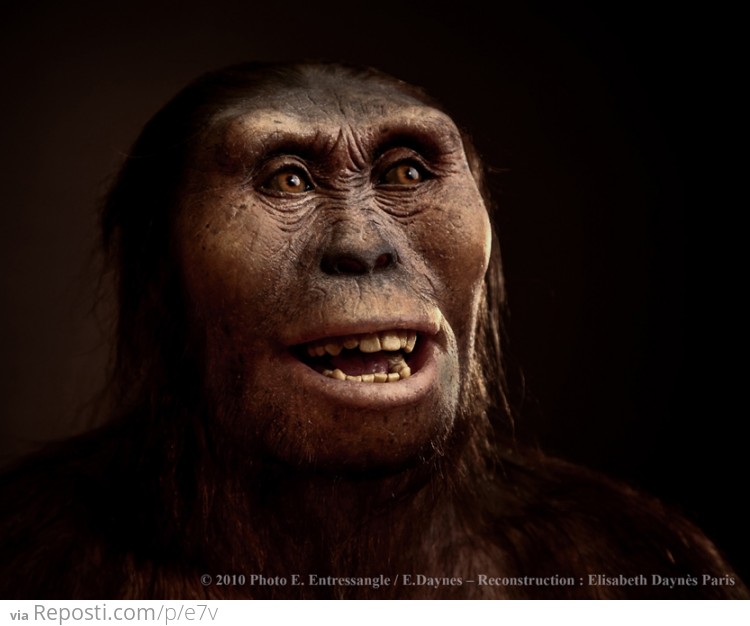
Australopithecus afarensis
-
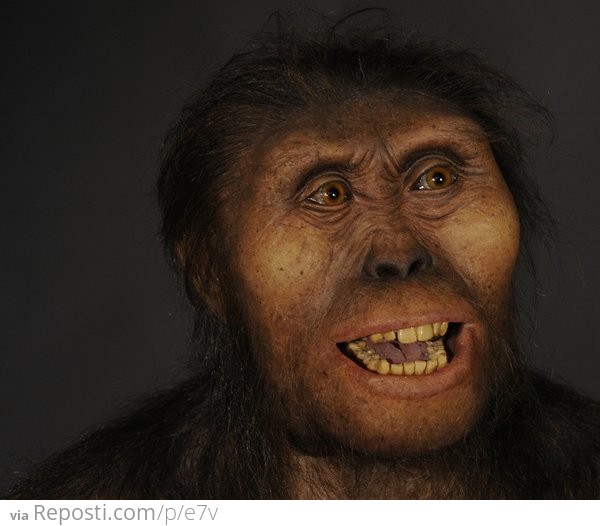
Australopithecus afarensis
The artist's reconstruction of Lucy, a 3.1 million-year-old female Australopithecus afarensis discovered in 1974 in Hadar, Ethiopia. Because only fragments of Lucy's cranium were found, Daynès had to draw from the skull of another A. afarensis female (AL 417)
-
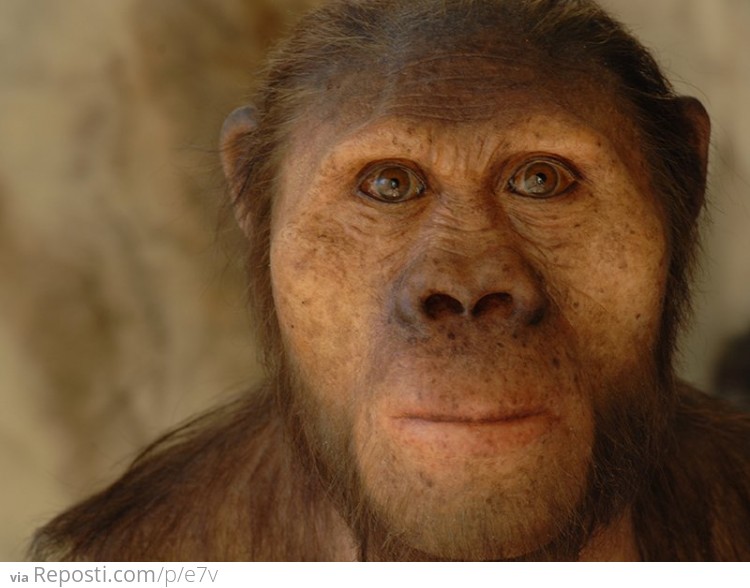
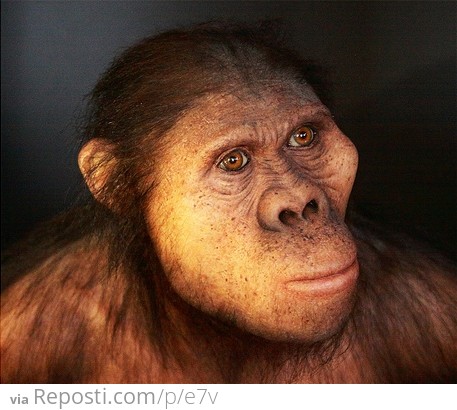
Australopithecus africanus
A reconstruction of an Australopithecus africanus based on cast of the skull STS5 (nicknamed "Mrs Ples") discovered in 1947 in Sterkfontein, South Africa. The fossil STS5 is between 2.1 and 2.7 million years old.
-
Australopithecus africanus
-
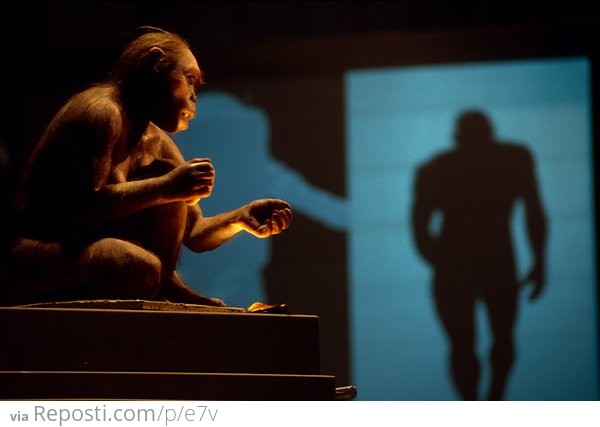
Homo habilis
A Homo habilis reconstruction by Daynès at the CosmoCaixa museum in Barcelona.
-
-
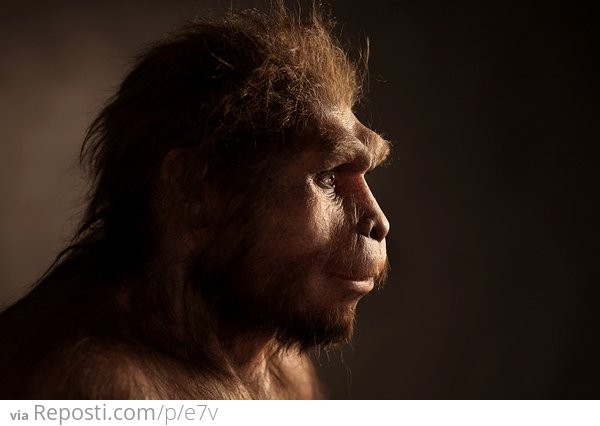
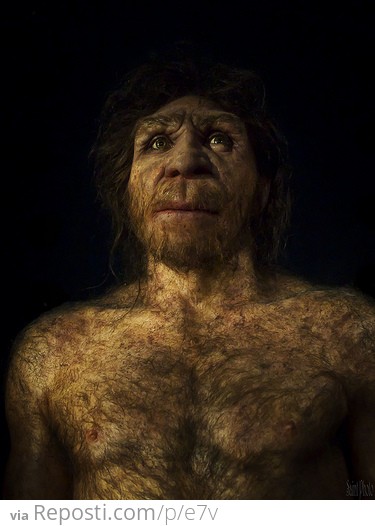
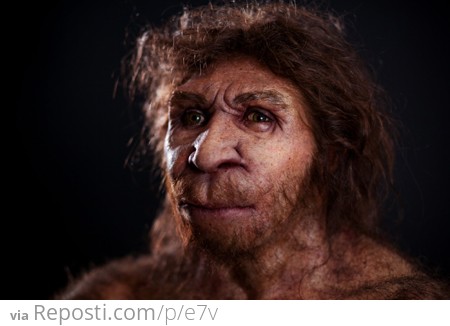
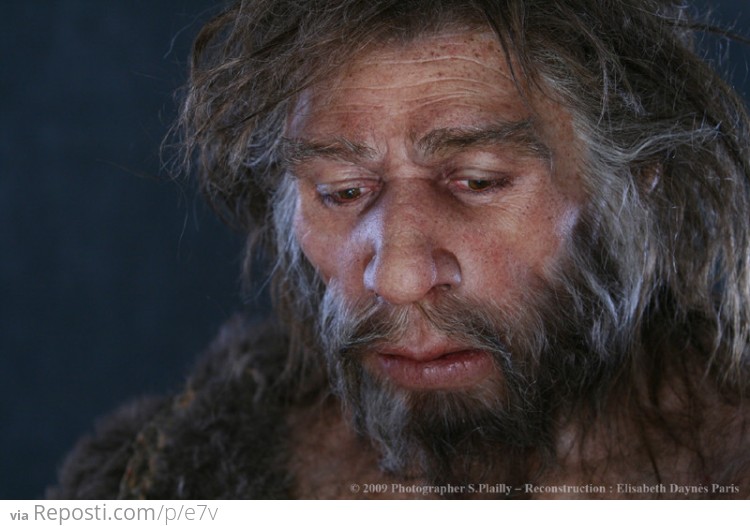
Homo erectus
A reconstruction of a male Homo erectus based on the skull Sangiran 17, the most complete Homo erectus skull found in East Asia. This hominid lived in Indonesia 1.3 to 1.0 million years ago.
-
-
-
-
-
-
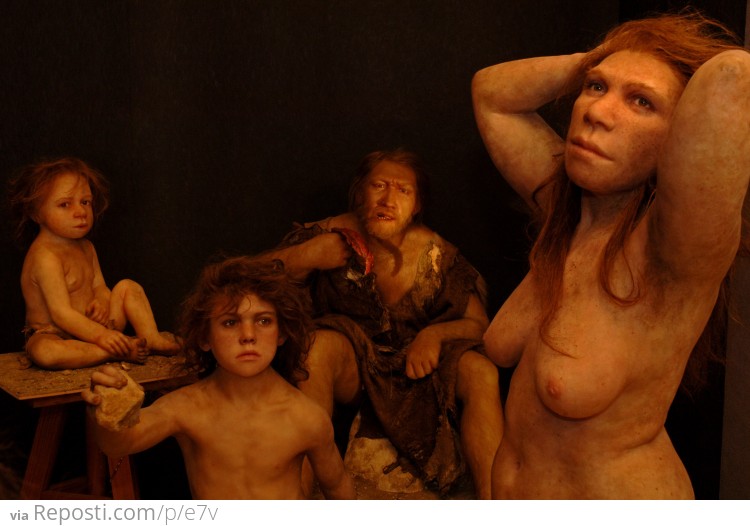
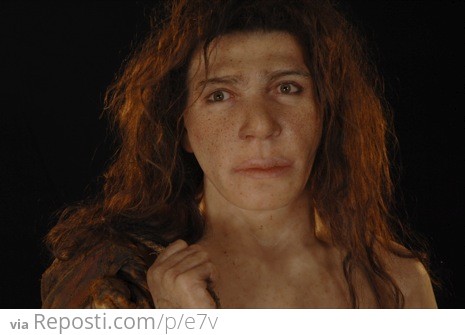
Homo neanderthalensis
A reconstruction of a Neanderthal woman from the Saint Césaire site in France.
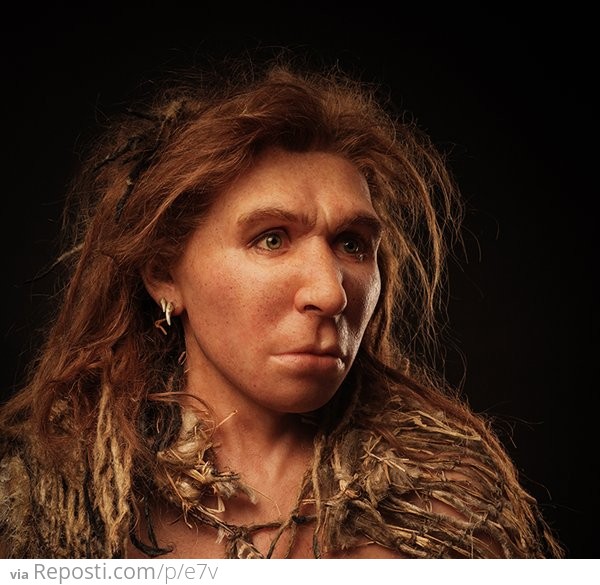
-
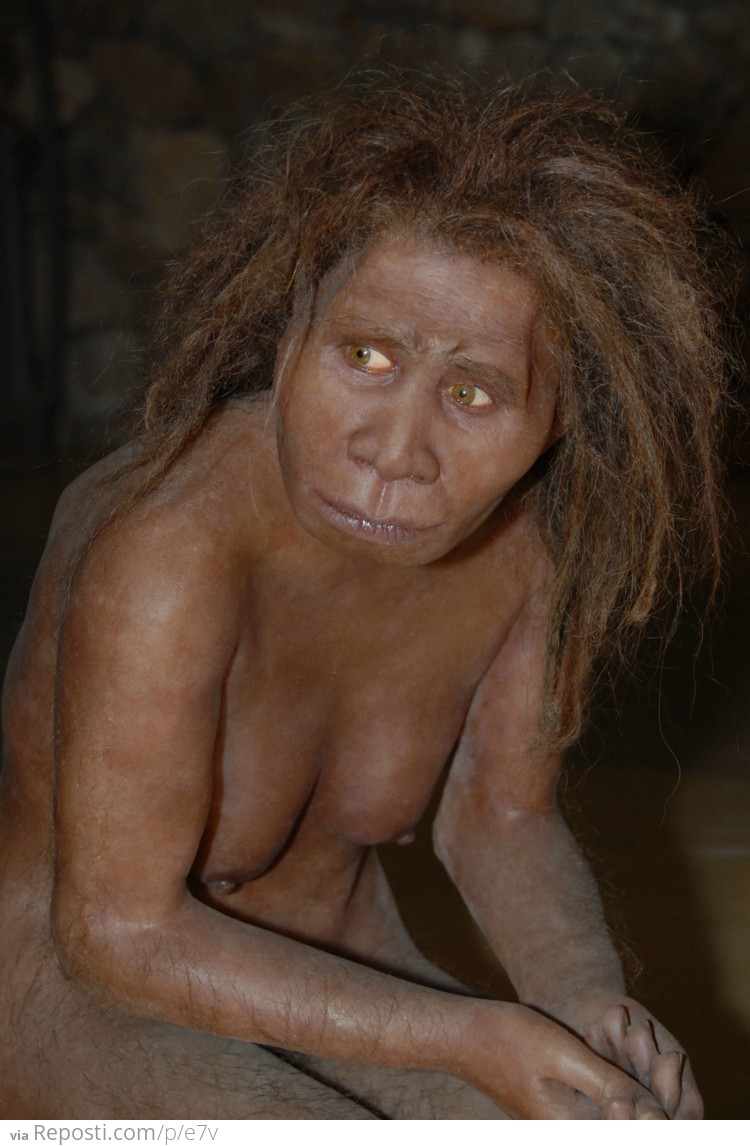
Homo floriensis
Reconstruction of a Homo floresiensis female based on the cast of the skull LB1, discovered in 2003 in the Liang Bua cave on the Indonesian island of Flores. This female stood about 1.06 meters high and lived around 18,000 years ago.
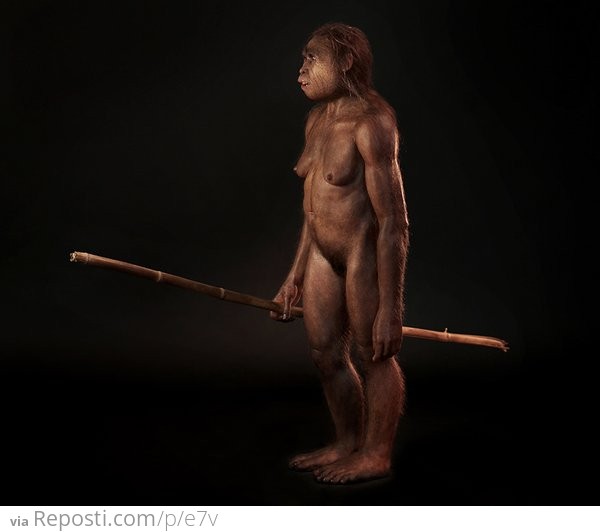
-
Homo floriensis
Reconstruction of a Homo floresiensis female based on the cast of the skull LB1, discovered in 2003 in the Liang Bua cave on the Indonesian island of Flores. This female stood about 1.06 meters high and lived around 18,000 years ago.
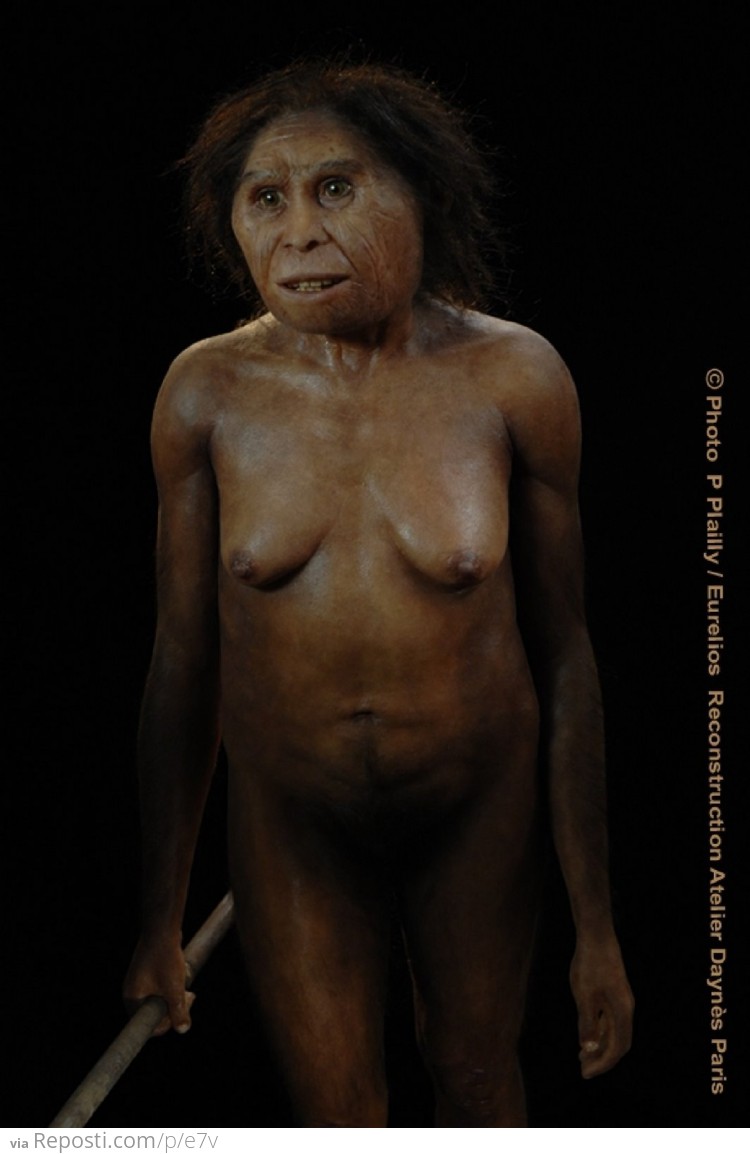
-
Homo sapiens sapiens
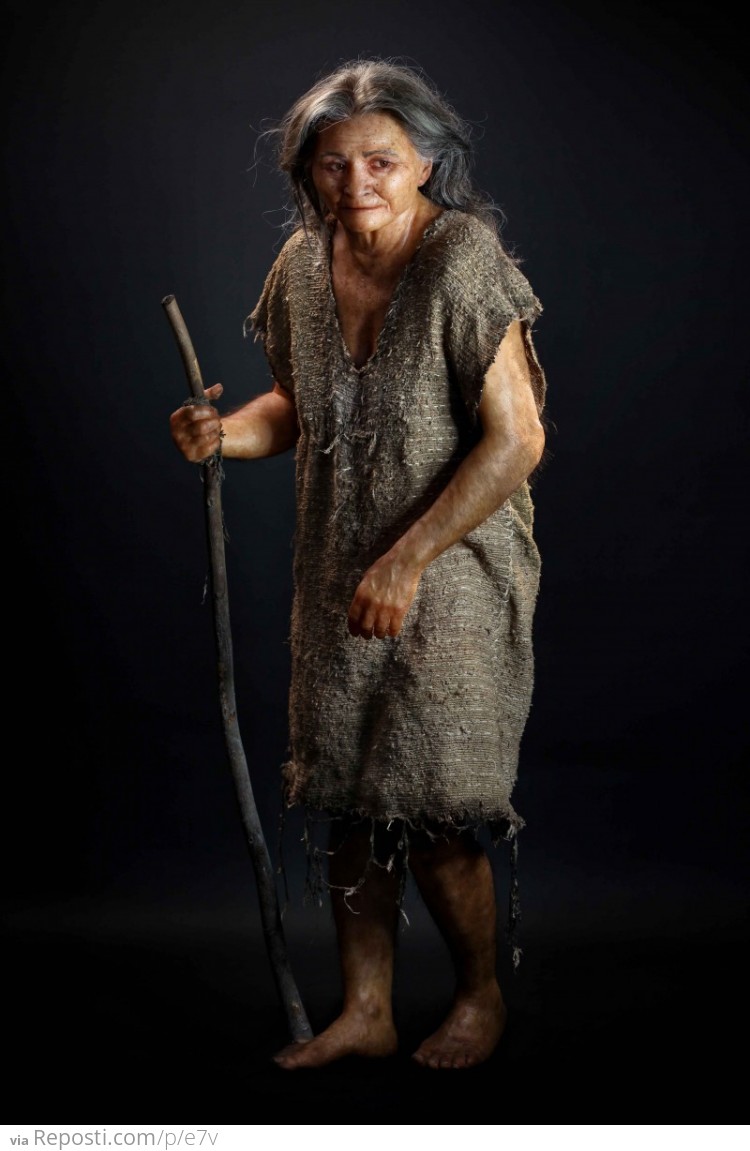
-
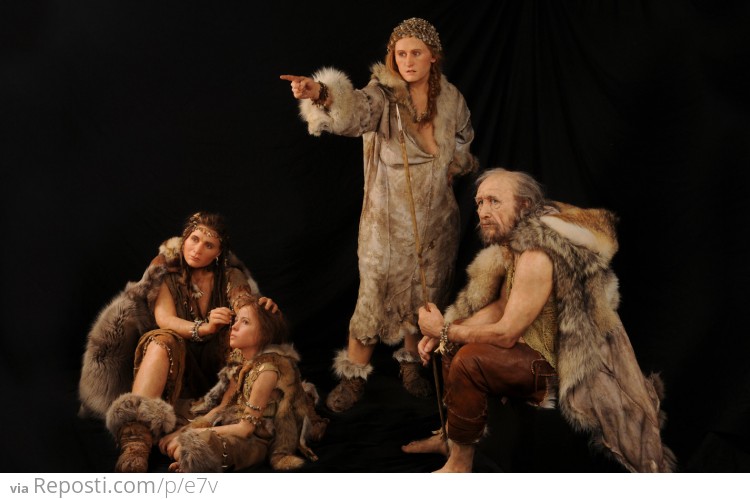
Homo sapiens sapiens
Modern humans of the the culture behind the Lascaux cave paintings, which date to 17,300 years ago.
-
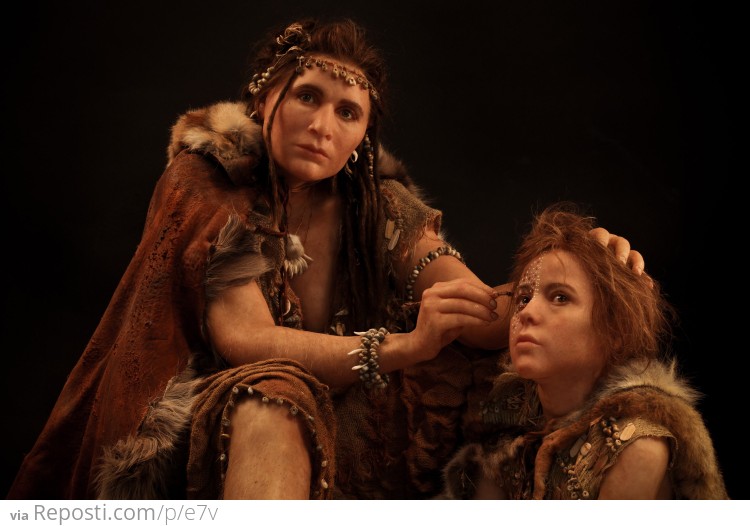
Homo sapiens sapiens
Modern humans of the the culture behind the Lascaux cave paintings, which date to 17,300 years ago.
-
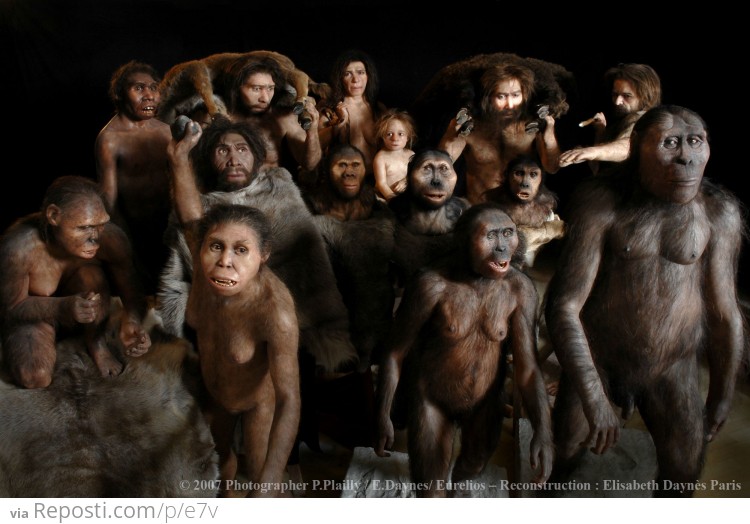
A bunch of hominids
I would watch a movie about this team.
-
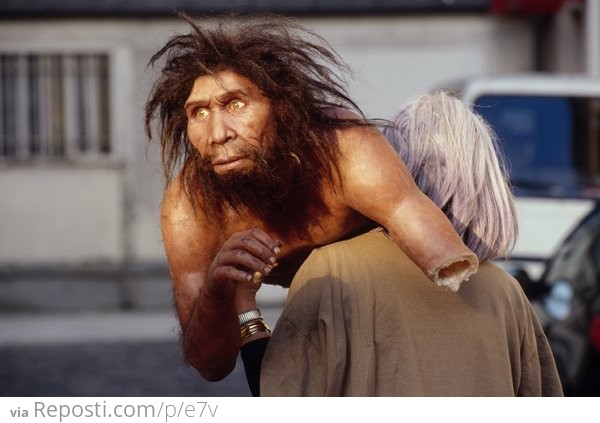
Homo georgicus, Homo sapiens sapiens
Setting up a museum exhibit, Daynès carries a hyper realistic reconstruction of Homo georgicus. The sculpture is based on a skull (D2280) unearthed in Georgia. Scientists still debate whether Homo georgicus is a distinct species or an early form of Homo erectus.
-
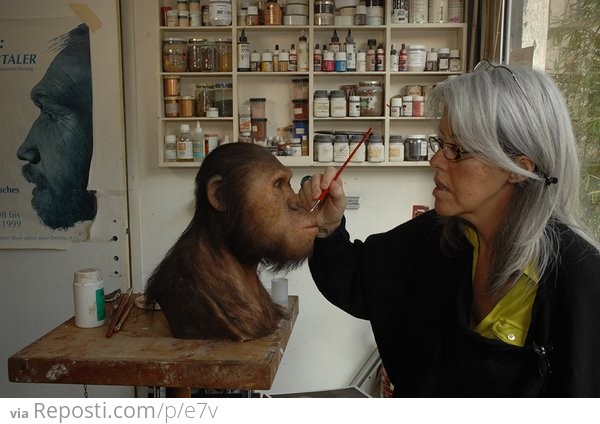
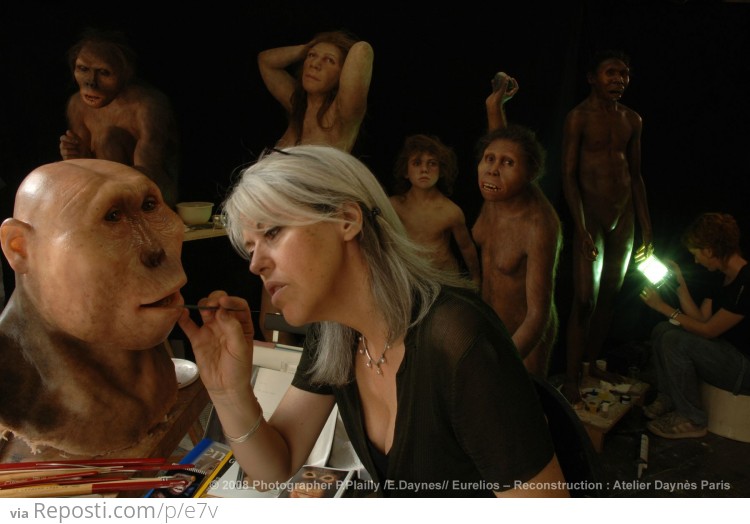
Paleoartist Elisabeth Daynès at work
Paleoartist Elisabeth Daynès at work
-
Paleoartist Elisabeth Daynès at work
Paleoartist Elisabeth Daynès at work